At Sirmium Capital, we don't just teach athletes how to spend — we teach them how to grow. And here's the honest truth: the most valuable thing you have right now isn't your speed, your handles, or your GPA. It's time. The earlier you start putting money away, the more it grows — and it doesn't take nearly as much as you'd think.
Here's How It Actually Works
If you start investing even a small amount every month during high school or college, you'll be shocked at how much it turns into over time. This is called compound interest — your money earns returns, and then those returns earn returns. It builds on itself.
Why Starting Young Changes Everything
Here's a number that'll stick with you: every $1,000 you invest at age 18 can be worth over $45,000 by the time you're 65 (at about 8.5% annual growth). You didn't save $45,000. You saved $1,000 and gave it time. That's it. That's the whole secret.
"Don't wait to buy assets. Buy assets and wait."
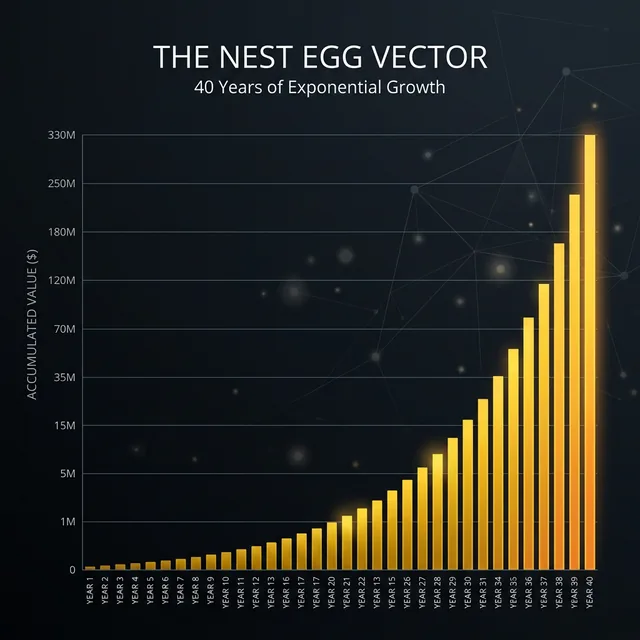
// Institutional Projection Model: Age 18 - Retirement
The Three Things That Matter
Compound interest comes down to three simple variables:
- How much you start with: Even a small amount matters. Every NIL check should have a piece set aside for investing.
- Your rate of return: When your money is invested in diversified funds, it grows with the market. Historically, that's been around 7-10% a year.
- Time: This is the biggest one. Even one year of delay can cost you tens of thousands down the road. Starting at 18 instead of 25 is a massive advantage.
When You're Ready, We're Here
Once you've built up some savings through NIL or a career, Sirmium Capital can help you figure out how to invest it wisely. We're not here to rush you — we're here for whenever you're ready to take the next step.
You don't need to know everything about the stock market right now. You just need to know this: time is your biggest advantage, and most people waste it. Don't be most people.
Want to Learn More?
Reach out and we'll walk you through how compound interest works using your actual numbers. No pitch, just math.